

Please Leave Us A Message
Privacy statement: Your privacy is very important to Us. Our company promises not to disclose your personal information to any external company with out your explicit permission.


A tub filler is a specialized faucet designed specifically for filling bathtubs, offering superior flow rates and ergonomic designs compared to standard bathroom faucets. Unlike widespread or centerset faucets that serve sinks, tub fillers are engineered to handle the volume required to fill a deep basin quickly and efficiently.
For procurement professionals, selecting the right tub filler involves understanding the distinction between spout-only models, which require separate diverter valves, and deck-mounted systems that integrate directly into the tub deck. The choice impacts both the aesthetic appeal of the bathroom and the plumbing complexity during installation.
COIGN SANITARY WARE CO.,LTD specializes in manufacturing high-quality tub fillers that combine durable materials with modern aesthetics, ensuring reliable performance for residential and commercial projects across Asia, Africa, North America, Europe, and Oceania.
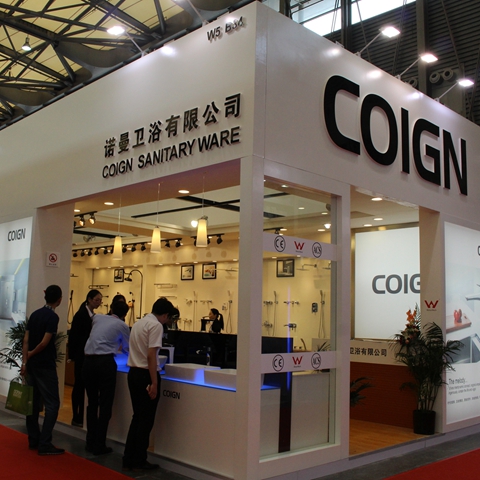
Our factory features a complete production ecosystem including Gravity Casting, Machining, Polishing, and Assembly lines. This integrated approach ensures strict quality control at every stage of tub filler manufacturing.
Products meet rigorous international standards including ACS, WRAS, WATERMARK, CUPC, and EN817:2008. These certifications guarantee safety, durability, and compliance for global markets.
With a monthly capacity of 70,000 pieces and a facility over 10,000 square meters, we ensure consistent supply chain reliability and on-time delivery for large-scale orders.
Prioritize solid brass construction with premium plating finishes. Look for manufacturers who employ multi-stage polishing processes to ensure corrosion resistance and long-term aesthetic appeal. A high-quality finish withstands daily use and maintains its luster for years.
Select tub fillers equipped with ceramic disc valves for leak-free operation and smooth handling. Ceramic valves offer superior durability compared to rubber washers, reducing maintenance costs and water waste over time.
Consider regional water regulations when specifying flow rates. Modern tub fillers balance rapid filling capability with water conservation standards, providing optimal performance without violating local codes.
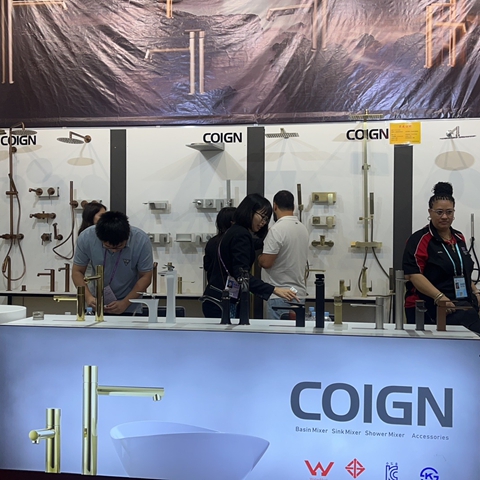
Use this checklist to evaluate potential suppliers and products before finalizing your procurement decision for tub fillers.
Evaluate suppliers based on these critical metrics:
Leaks typically result from low-quality valve cartridges or improper installation. Premium manufacturers like COIGN use ceramic disc valves that resist wear and maintain seal integrity. Always verify valve specifications and ensure professional installation with proper thread sealing.
Finish degradation often occurs due to inadequate plating thickness or poor surface preparation. Reputable factories employ multi-stage polishing and controlled electroplating processes. Request salt spray test reports to verify corrosion resistance before placing orders.
Inconsistent pressure may stem from restricted aerators or poorly machined internal passages. High-quality tub fillers feature optimized flow channels and removable aerators for easy maintenance. Conduct flow rate testing on samples to ensure compliance with local water pressure standards.
Proper packaging is critical for preventing transit damage. Reliable suppliers use multi-layer protective packaging with foam inserts and reinforced cartons. Inspect incoming shipments immediately and document any damage with photos for timely resolution.
Tub fillers serve diverse applications across residential, hospitality, and commercial sectors. Understanding these use cases helps buyers select appropriate specifications for their specific market needs.
Single-family homes and apartments require tub fillers that balance aesthetics with everyday durability. Buyers should prioritize designs that complement contemporary bathroom trends while meeting family usage demands.
High-traffic hotel bathrooms demand commercial-grade tub fillers with enhanced durability and simplified maintenance features. Volume discounts and consistent quality are key considerations for hospitality procurement.
Premium residential and commercial developments often specify designer tub fillers with unique finishes and innovative features. These projects require suppliers capable of customizations and tight tolerances.
Choose suppliers with complete in-house production lines rather than trading companies. Direct manufacturers offer better quality control, competitive pricing, and faster response times for custom requirements.
Prioritize suppliers with proven export experience to your target market. Companies serving multiple continents understand diverse regulatory requirements and cultural preferences in product design.
Select suppliers with dedicated support teams capable of handling technical queries and after-sales issues. A responsive customer service team reduces procurement risk and ensures smooth project execution.
Always evaluate physical samples before committing to bulk orders. Sample evaluation reveals actual build quality, finish consistency, and operational feel that specifications alone cannot convey.
Ensure suppliers hold relevant certifications for your market. Valid certifications demonstrate commitment to quality standards and facilitate customs clearance and regulatory compliance.
Verify that suppliers have sufficient capacity to meet your order volumes without compromising quality. Large-scale manufacturers can handle peak demand periods and rush orders more effectively.
Certification requirements vary by region. Common certifications include ACS (France), WRAS (UK), WATERMARK (Australia/New Zealand), CUPC (North America), and EN817:2008 (Europe). Always verify specific requirements for your target market before ordering.
Standard lead times range from 15-30 days depending on order volume and customization requirements. COIGN's mature production lines enable efficient processing while maintaining quality standards. Expedited options may be available for urgent projects.
Yes, experienced manufacturers offer comprehensive OEM and ODM services including custom designs, logo placement, and packaging solutions. Discuss your specific requirements with the supplier's engineering team to explore customization possibilities.
Industry standard warranties typically cover 2-5 years for internal components and finishes. Premium manufacturers often provide extended warranty options. Review warranty terms carefully, paying attention to coverage exclusions and claim procedures.
COIGN implements rigorous quality control throughout the manufacturing process, from raw material inspection to final product testing. Our mature production lines include dedicated quality checkpoints at each stage, ensuring consistent product excellence.
Standard payment terms usually involve a deposit followed by balance payment before shipment. Common arrangements include T/T (Telegraphic Transfer) or L/C (Letter of Credit). Discuss flexible payment options with your supplier based on order size and relationship history.
Contact

Send Inquiry
Related Products List
Privacy statement: Your privacy is very important to Us. Our company promises not to disclose your personal information to any external company with out your explicit permission.
Fill in more information so that we can get in touch with you faster
Privacy statement: Your privacy is very important to Us. Our company promises not to disclose your personal information to any external company with out your explicit permission.